






“A Shift Beyond Chalk and Talk”
A teacher at The TonsBridge once shared a memory with me. She walked into class with nothing but a box of Lego bricks. No textbooks. No worksheets. The students looked puzzled, some even excited. By the end of the session, they weren’t just playing—they had built models to explain fractions. The lesson stuck with them far longer than any diagram on the blackboard.
This is the quiet revolution happening across Boarding Schools in India. Traditional rote-learning is giving way to experiential, reflective, and sometimes delightfully messy learning methods. And at the heart of it, the Best Boarding School in Dehradun stands as an example of how a school can balance academic rigor with creative exploration.
Why Innovation Matters in a Residential School in India
Education for Changing Times
Imagine preparing a child for jobs that don’t yet exist. That’s the very dilemma that teachers have. Classroom innovation isn’t all about electronic displays—it’s about inculcating resilience, creativity, and flexibility.
Emotional Well-being As Top Priority
Children at a co-educational boarding school in India spend their childhood away from home. Emotional fulfillment is as important as grades. Innovative techniques of teaching now include counseling, mindfulness sessions, and group projects to ensure children feel cared for rather than stressed.
Constructing Life-Long Skills
When a student becomes able to debate respectfully, present confidently, or solve problems of everyday life, those skills outlast report cards. Residential schools in India are weaving these life skills into the very fabric of learning.
The Methods that Make a Difference
Project-Based Learning
Instead of memorizing history dates, students might stage a mock United Nations debate. One parent told me their child came home speaking passionately about world peace, a subject she once found boring.
Technology with a Human Touch
Smart classrooms are not only about technology. In the Best Boarding School in Dehradun, teachers employ AI-based evaluations to identify gaps in learning, but the next step is always personal counseling—because no machine can substitute for human compassion.
Interdisciplinary Education
Science is combined with art, math with music. A lesson on ecosystems in biology might culminate in a class of students painting forest murals. It may seem unorthodox, but it sparks both creativity and comprehension.
Life Beyond Classrooms
Sports as a Classroom
On the football field, children learn teamwork, strategy, and the art of bouncing back from loss. A coach once said, “A missed goal teaches patience better than any lecture.”
Cultural Exposure
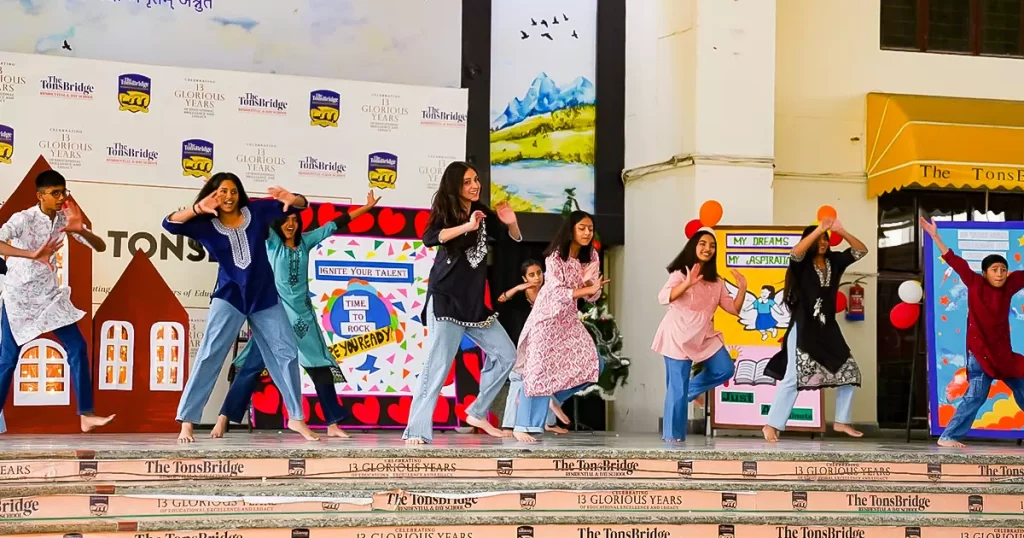
Residential schools in India often host cultural weeks—folk dances, poetry recitals, even cooking competitions. One evening of sharing recipes taught students more about diversity than a dozen textbooks.
Peer Learning
When you live and learn together, your classmates become your teachers. A boy struggling in physics may suddenly improve when his roommate explains formulas over late-night tea.
The Role of Teachers in Innovation
Mentor, Not Dictator
Teachers in today’s coed boarding schools in India don’t just deliver lessons. They mentor, guide, and sometimes simply listen. Their role is closer to gardeners nurturing different kinds of plants than factory supervisors pushing identical products.
Continuous Training
At The TonsBridge, faculty undergo regular workshops. From understanding adolescent psychology to experimenting with gamified learning, teachers themselves are always learning.
Creating Safe Spaces
Innovation doesn’t thrive in fear. By encouraging mistakes and questions, teachers ensure classrooms become places where curiosity feels safe.
Parents as Partners
Transparent Communication
Parents nowadays want updates, not only once a year in the form of report cards. Monthly calls, digital portfolios, and WhatsApp groups enable them to observe how innovation is implemented in real life.
Common Values
Most parents see sending a child to an Indian Residential School as a leap of faith. When schools present their approaches with transparency, trust becomes stronger.
Participation in Activities
Some boarding schools invite parents for a weekend workshop—painting with kids, or even programming together. These are the moments that bridge the gap of boarding life.
The Subtle Philosophy Behind It All
At its essence, innovation is not about sensational means. It’s about valuing the child as a complete being—mind, body, and spirit. The Best Boarding School in Dehradun does not just impart subjects; it creates thinkers, dreamers, and doers.
Education is no longer about filling notebooks but instead about changing lives. It’s not always simple, and it’s never perfect, but maybe that’s what makes it so human.

Conclusion
Innovation in learning isn’t about discarding the old or pursuing every new fad. It’s about discovering ways of teaching that get children curious, strong, and compassionate. Boarding schools in India, particularly the Best Boarding School in Dehradun, are demonstrating how it’s possible to live in balance daily.
When a kid walks through the door discussing a debate rather than a test result, or composes a poem about a science project, you know something has changed. These small alterations are indicators of greater change—of kids learning not only how to study, but how to think, care, and dream.
At its core, schools aren’t preparing kids for a test; they’re preparing them for life. And it’s that which makes education innovation more than a strategy—it makes it a promise.
FAQs
Q1. How are boarding schools in India different from day schools?
In boarding schools, learning doesn’t end with the last class. Children pick up life skills—like sharing, managing time, and taking responsibility—because they live and study together.
Q2. Why do people say the Best Boarding School in Dehradun is innovative?
It’s not about fancy gadgets. Teachers try new ways—like debates, group projects, or hands-on work—so lessons actually stay with the child.
Q3. What’s special about a coed boarding school in India?
Boys and girls grow up learning side by side. It builds mutual respect and makes them comfortable working together, just like in real life.
Q4. How are parents kept involved in a Residential School in India?
Even from a distance, schools keep parents in the loop—through calls, visits, and sharing children’s progress. It helps parents feel connected.
Q5. Can these methods really prepare children for the future?
Yes. Kids learn to think, question, and solve problems. Those are the qualities that matter much more than just memorizing answers.