






There is a kind of silence that pervades the corridors of the most prestigious boarding schools in India. It is a silence that is not empty, but full of the possibilities and willingness to learn something new everyday. When we talk of the choice of the institution, we are often left grappling with the pull of traditional discipline and the need of the present day for emotional connectivity. And yes, only a few schools can strike such a balance where discipline, social values and academic brilliance unite in the most harmonious way. This unique amalgam is discovered at The TonsBridge School, offering a blend of the rich educational heritage of Dehradun and the innovative learning methodologies.
Choosing a residential school in India is, in many respects, an act of curation. No one is seeking just a good campus nowadays, there is a significant focus on cultural values, ethics building and well-rounded approach to education. Whether it is the precision needed in a school orchestra, or the level of play involved in a mid-week invitational chess tournament, the idea is to keep the mind exercised.
The Social Fabric of Coed Learning
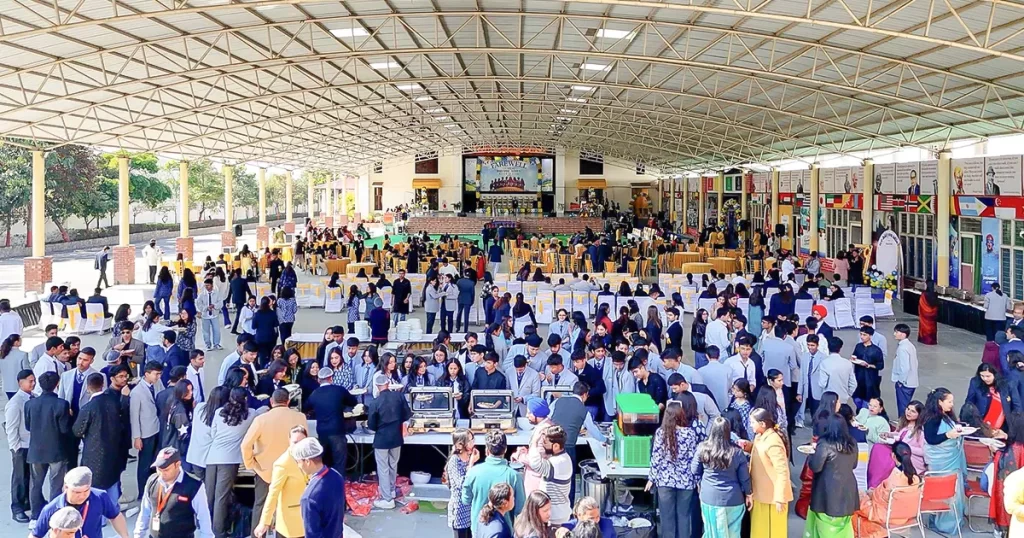

One might pause when considering the delicate balance of a mixed-gender environment. It’s a natural concern. Yet, when observing the most successful coed boarding schools in India, the results reveal a different reality. It is about the subtle, daily lessons in diplomacy and mutual respect. Life at TonsBridge is choreographed to mirror the complexities of the real world. In the shared spaces of the laboratory or the heated environment of a model united nations assembly, students learn that brilliance has no gender. It is a social alchemy that transforms the uncertainty of adolescence into poised, capable adulthood.
The rhythm of campus life is what prevents the institutional fatigue that often sets in during a standard school year. You have these long, focused stretches of academic immersion—the kind of deep work that requires absolute grit—interrupted by the sudden, vibrant energy of an inter-house theater production. It’s a pulse. It keeps the students sharp. It prevents the monotony that so often plagues traditional day-schooling.
A Gastronomic Standard: Nutrition as a Pillar of Excellence
If the classroom is the brain of the school, then the dining hall is definitely its heart. We are miles away from the outdated tradition of “hostel food.” At The TonsBridge School, we treat the experience with the same rigor that we treat our physics curriculum. It is an accepted fact that a student’s mind is inescapably associated with their tongue.
The menu is a carefully charted course in terms of nutrition and flavor. We think that Sunday roasts or the rightly seasoned regional dishes have been able to do much more than simply satisfy the stomach, for they have been able to provide the crucial function of giving children that feeling of belonging. When the nutritional values are the best, the performance in the playing field as well as in the exam room is also the best.
Why the Location Choice Really Matters
Basically, Dehradun has become synonymous with schools, but here at The TonsBridge School, it is more than being a state capital. It is about the things that you cannot find in a textbook. You see it in how a student walks or talks after being here for a few months. A sense of calm and confidence stemming from having lived in a place that actually supports you is what we basically give them-a place to find out who they are.
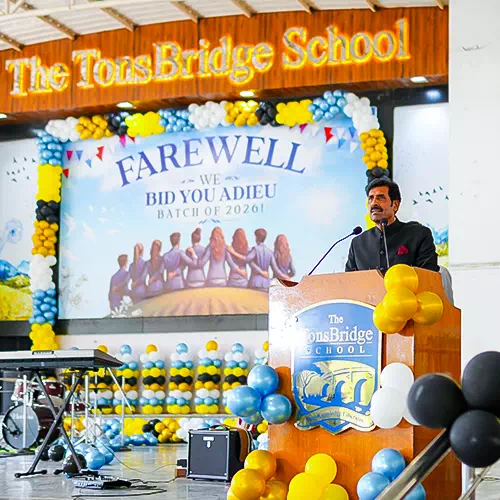
The infrastructure and facilities are undoubtedly flawless, but the people truly make all the difference. Our teachers understand how to strike a balance. They understand whether the child needs a push or needs to be left alone to solve the problem on their own terms. This is where a child grows up, not at home, not on the playground, but here! It is not an easy task, as there are certainly days of hard work, but that is what prepares them for the world out there. We prepare them to transition from being a kid to becoming someone who can deal with whatever life presents before them.
The Final Verdict: An Investment in Identity
Putting a child in a residential school is an act of faith. It is an investment in their autonomy. It is here that the child learns how to manage time, laundry, and emotions. It is here that the child becomes the director of the movie of life.
Institutions such as TonsBridge School provide the stage, the lighting, and the script; it is the student who acts. Looking to the future of education, it is clear that the “all-work-and-no-play” education model is antiquated. The future belongs to individuals who have the tools to deal adeptly in the complexities of this world with a smile upon their face and solid ground under their feet.
FAQs
Q: How does a residential school in India manage the transition for younger students?
The transition is handled through a “layered” integration. We don’t expect a child to adapt overnight. Through a dedicated pastoral care system and a high ratio of mentors to students, we ensure that the initial weeks are filled with engaging activities that leave little room for the “quiet” of homesickness. It is about building a new routine that feels like a natural evolution, not a sharp break from the past.
Q: Are coed boarding schools in India equipped to handle the specific developmental needs of both boys and girls?
Precisely. A coeducational setting allows for a more nuanced approach to development. At The TonsBridge School, we provide gender-specific spaces for reflection and growth, while maintaining common areas for collaboration. This dual-track approach ensures that every student receives the specific support they need while benefiting from a diverse social environment.
Q: What role does “entertainment” play in a high-stakes academic environment?
We view entertainment as “constructive leisure.” It is not about passive consumption but active participation. Whether it’s a student-led film festival, a culinary competition, or a music workshop, these activities serve to decompress the mind and foster creative problem-solving. It is the “reset” button that makes high academic performance sustainable over the long term.
Q: How is the menu curated to ensure both health and student satisfaction?
Our culinary team works alongside nutritionists to design a rotating menu that balances macro-nutrients with “flavor peaks.” We incorporate feedback from the student council to ensure the food remains something they look forward to. It’s a dynamic process—shifting with the seasons and the specific energy requirements of the school calendar.
Q: What is the “TonsBridge” approach to digital wellness in a boarding setting?
We believe in “monitored autonomy.” Students are given access to technology for research and connection, but we also curate “tech-free” zones and times. This encourages face-to-face social entertainment—real conversations, physical games, and tangible hobbies—which are vital for emotional maturity in a digital age.