






Choosing a school can become surprisingly difficult once the shortlist starts growing. CBSE’s current SARAS directory contains 33,161 affiliated schools, covering a wide range of government, private, residential and day-school institutions.
The board may be the same, but the experience can be very different. A student living on a residential campus in Assam will have a different daily routine from someone attending a day school in Bengaluru. A Class XI student preparing for an entrance examination may also have very different requirements from a younger child entering primary school.
This guide looks at top 10 CBSE schools that represent different types of school environments for the 2026–27 academic session. The list is not a ranking. Instead, it gives parents a starting point for understanding what each institution offers and which details are worth checking before admission.
- Introduction
- What to Look At When Choosing a CBSE School
- Top 10 CBSE Schools in India for 2026–27
- The TonsBridge School, Dehradun
- Delhi Public School, R.K. Puram, New Delhi
- Mayo College, Ajmer
- Doon International School, Dehradun
- Doon International School Riverside Campus, Dehradun
- National Public School, Indiranagar, Bengaluru
- The Scindia School, Gwalior
- DAV Boys Senior Secondary School, Gopalapuram, Chennai
- Heritage Xperiential Learning School, Gurugram
- Sainik School Satara
- Questions Worth Asking Before Admission
- A Practical Way to Compare Schools
- Final Takeaway
- Frequently Asked Questions
The Physics of the Learning Environment

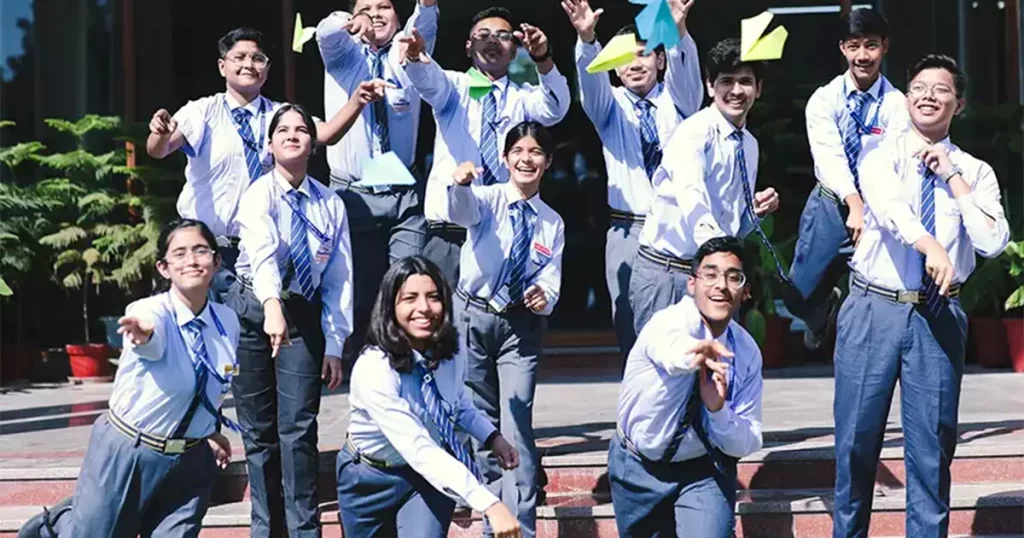
When evaluating an institution, the focus often lands on the library or digital tools, yet the biological state of the student remains the most critical variable. High-level academic performance is statistically improbable when a student remains in a state of sensory overload. This is why the geography of CBSE Boarding Schools in India, particularly those in the Doon Valley, provides a distinct functional advantage over urban campuses.
The urban setting puts a subtle “cognitive tax” on the teenage brain through the incessant barrage of sounds and polluted air, leading to divided attention and elevated levels of anxiety. The institution of The TonsBridge School provides an organic sound barrier, enabling the brain to shift from a highly charged laboratory of physics to a contemplative space devoid of the hustle and bustle of the city environment. Fresh air and sunlight are not mere luxuries but vital components that aid in the process of consolidating information and focusing attention.
What to Look At When Choosing a CBSE School
Two schools can follow the CBSE curriculum and still feel very different on an ordinary school day. One may put more time into laboratory work and projects, while another may follow a more conventional classroom routine. Senior-secondary subject choices can differ too.
The National Curriculum Framework for School Education 2023 gives greater attention to competency, application and multidisciplinary learning. How that appears in a particular school depends on its curriculum planning and classroom practice.
A school visit can reveal details that a prospectus usually cannot. Sit in on a class if the school permits it. Ask how science practicals are organised, how often students are tested and which subject combinations are actually available in Classes XI and XII.
Boarding is worth paying attention to. If your child will be living on the campus, check who takes care of students after classes end, how study time in the evening is set up, what kind of health help is there, during the night and how time off or going home is handled. These points can really affect how a student feels every day at school.
Read Our Blog>> Top 20 CBSE Boarding Schools in India Every Parent Must Consider
Top 10 CBSE Schools in India for 2026–27
| School | Location | Format | Residential Model | What Stands Out |
| The TonsBridge School | Dehradun, Uttarakhand | Co-educational | Day & Boarding | Integrated schooling and entrance-exam preparation |
| DPS R.K. Puram | New Delhi | Co-educational | Day-cum-Boarding | Large school with a broad academic and activity programme |
| Mayo College | Ajmer, Rajasthan | All-Boys | Full Boarding | Long-established residential house system |
| DAV Boys Senior Secondary School | Gopalapuram, Chennai | All-Boys | Day & Boarding | Large school with a broad academic and activity programme |
| Doon International School | Dehradun, Uttarakhand | Co-educational | Day & Boarding | City campus with senior-secondary subject choices |
| Doon International School Riverside Campus | Paundha, Dehradun | Co-educational | Day-Boarding & Residential | Residential campus offering CBSE and IGCSE pathways |
| National Public School, Indiranagar | Bengaluru, Karnataka | Co-educational | Day School | Published board-examination results |
| The Scindia School | Gwalior, Madhya Pradesh | All-Boys | Full Boarding | Historic Fort campus and house-based student life |
| Heritage Xperiential Learning School | Gurugram, Haryana | Co-educational | Day School | Experiential and project-based learning |
| Sainik School Satara | Satara, Maharashtra | Co-educational | Full Boarding | Academic education combined with defence-oriented training |
The TonsBridge School, Dehradun
The TonsBridge School is a co-educational CBSE school in Dehradun offering both day and residential schooling. At the senior-secondary level, students can also prepare for competitive examinations as part of their academic schedule.
The school has subject-specific laboratories, sports facilities and residential accommodation. If you are looking at the boarding option, it is worth confirming which classes can stay on campus and how the school organises competitive-exam preparation alongside the regular curriculum.
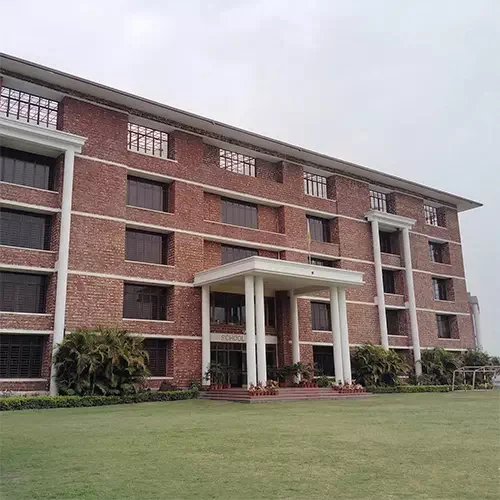
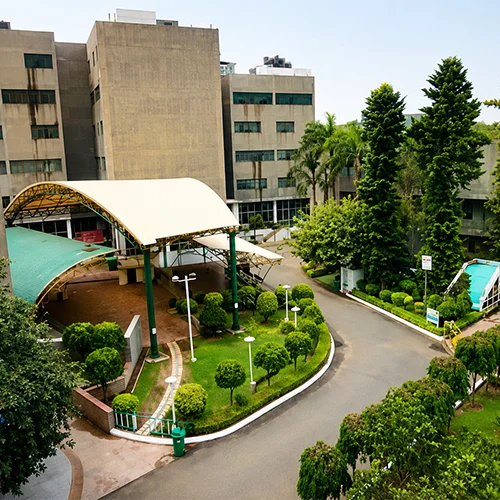
Delhi Public School, R.K. Puram, New Delhi
DPS R.K. Puram was established in 1972 and operates as a co-educational day-cum-boarding school under the Delhi Public School Society. The school has a large student population spread across its junior and senior branches and remains affiliated with CBSE.
Its academic environment extends beyond regular classroom teaching. The school publishes information about Olympiad participation, academic competitions and student activities, alongside programmes in areas such as science, mathematics and other disciplines.
For parents, the size of the institution is worth considering alongside its academic and extracurricular range.
Mayo College, Ajmer
Mayo College is an all-boys residential school in Ajmer, Rajasthan, founded in 1875. Its campus covers 180 acres and follows a house-based residential structure.
School life extends beyond lessons. Students follow supervised study routines and take part in sports and other activities, with the campus providing facilities associated with athletics, equestrian activities and several indoor and outdoor pursuits.
The school’s long history is visible in its architecture and traditions, but the academic experience is organised around the requirements of a modern residential school. Parents looking at boarding from Class IV onwards should examine the house structure, daily timetable and available activities in the relevant grade.
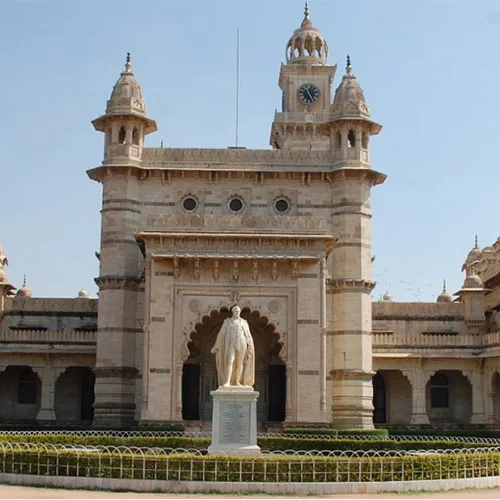
Doon International School, Dehradun
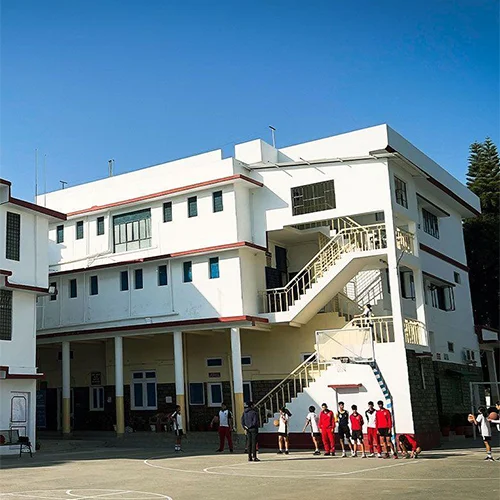
Doon International School’s City Campus in Dehradun combines day schooling with residential provision. The school follows the CBSE curriculum and teaches students from the early years through the senior-secondary stage.
At the senior-secondary level, students can choose from Science, Commerce and Humanities pathways, with subject options varying according to the programme offered by the school.
The school also provides additional academic support and career counselling, while its boarding provision gives students the option of living on campus.
Doon International School Riverside Campus, Dehradun
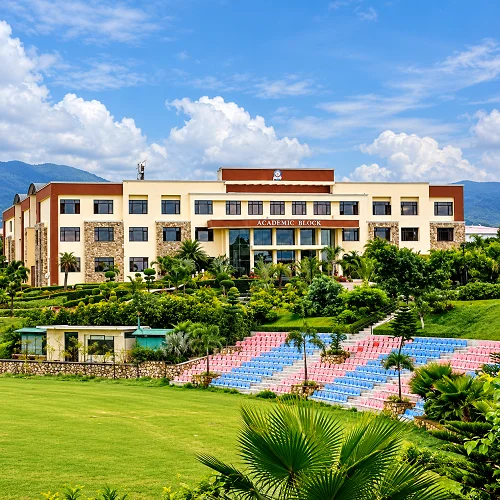
The Riverside Campus is located in Paundha and provides a residential school setting away from the City Campus. It offers both CBSE and IGCSE pathways, with residential arrangements for boys and girls.
The distinction between the two Doon International School campuses is therefore more than location. Riverside is designed around a residential campus experience, while the City Campus operates from an established urban location with both day and boarding options.
Parents should check the curriculum, entry grade, boarding category and current fee structure separately for the Riverside Campus rather than assuming that the two campuses have identical admission conditions.
National Public School, Indiranagar, Bengaluru
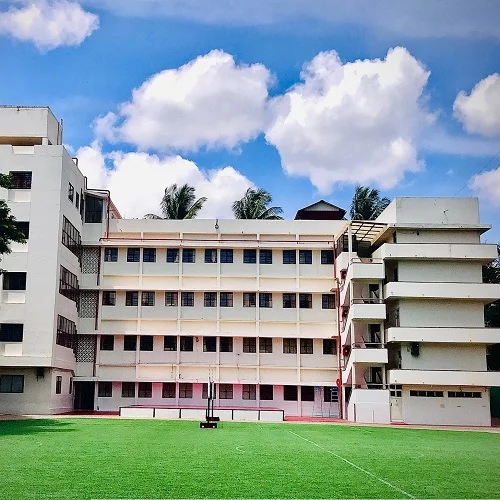
National Public School, Indiranagar is a co-educational day school in Bengaluru with a strong academic focus. Its senior-school programme includes classroom teaching, practical work and internal assessment across different subjects.
The school’s published results provide one measurable reference point. Its 2024 results reported a school average of 90.66% in Class X and 86.38% in Class XII.
That information is useful when reviewing academic performance, but a single year’s average does not describe the entire school experience. Parents should also look at the subjects offered in senior secondary, class size, laboratory access and the activities available outside regular lessons.
The Scindia School, Gwalior
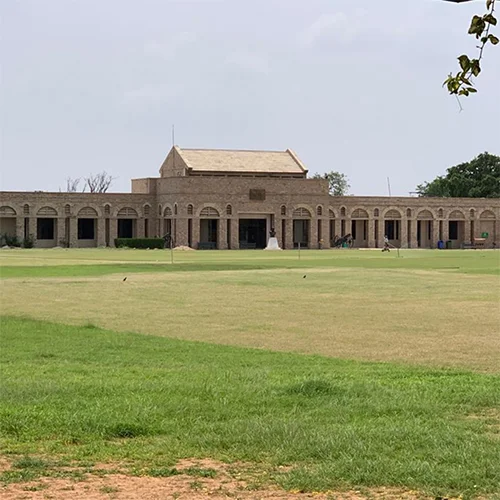
The Scindia School is an all-boys residential school located within Gwalior Fort and was established in 1897. Its house system is central to student life, with boys living within a structured residential community.
The school combines classroom learning with sports, hobbies and other activities. Its campus includes laboratories, classrooms, a library, information-technology facilities, sports grounds and other spaces used during school life.
For a parent considering a full residential school, the house structure is one of the details worth understanding. It affects how students spend their time outside lessons and how everyday pastoral support is organised.
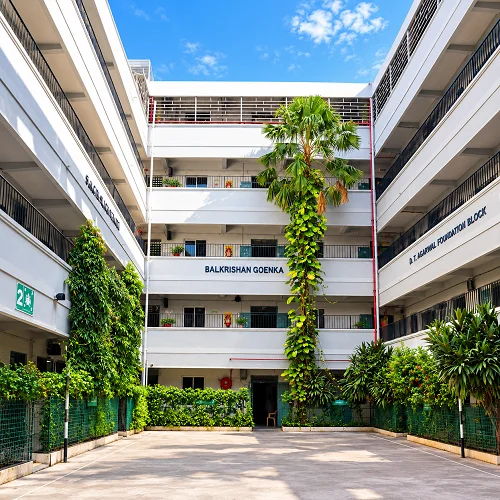
DAV Boys Senior Secondary School, Gopalapuram, Chennai
Located in Gopalapuram, DAV Boys Senior Secondary School is a boys’ day school affiliated with CBSE. Students continue through the senior-secondary stage, with Science and Commerce among the available streams.
Classroom lessons are supplemented by laboratory work and regular assessments. By the senior classes, much of the academic routine centres on completing the prescribed syllabus, revising key concepts and preparing for board examinations. The school also caters to students planning their next stage of education after Class XII.
Heritage Xperiential Learning School, Gurugram
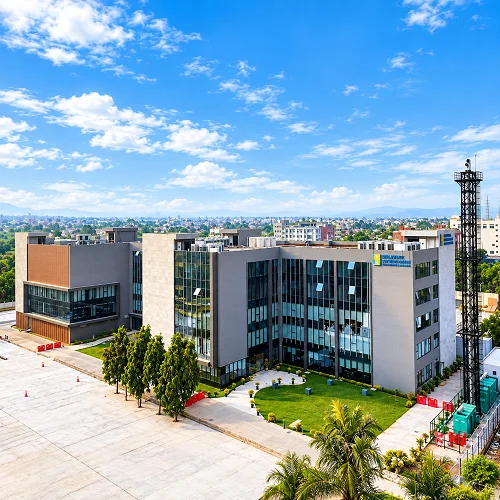
Heritage Xperiential Learning School’s Sector 62 campus offers the CBSE Curriculum from Nursery to Grade 12. The school places experiential learning at the centre of its academic approach, with project work and collaborative activities forming an important part of classroom learning.
Its campus includes technology-enabled classrooms, specialised laboratories, makerspaces, a library and outdoor sports facilities.
This approach can be particularly relevant to parents who want to understand how much of the school day is built around projects, discussion and practical application rather than conventional textbook-based lessons.
Sainik School Satara
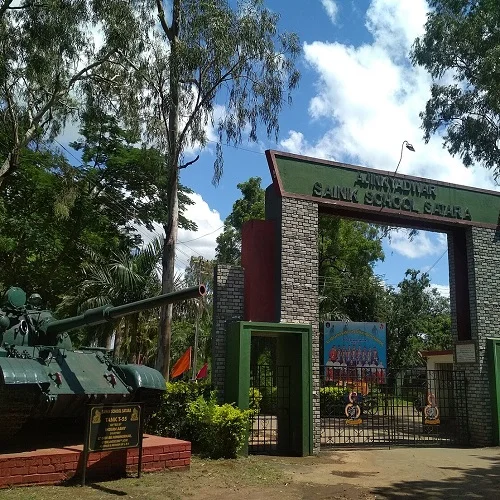
Sainik School Satara was established in 1961 and operates as a residential school under the Sainik Schools system. The school combines CBSE academics with physical training, discipline, sports and activities associated with its defence-oriented educational model.
Admission arrangements have changed over time as the Sainik Schools system has expanded access. The school now admits both boys and girls under the applicable admission rules.
Its published information also covers NDA-related outcomes and preparation, making the defence-oriented nature of the school an important consideration for parents. Students follow a structured routine that includes academics alongside physical activities and training.
Questions Worth Asking Before Admission
A school website can explain the curriculum and list facilities, but some of the most useful information comes from asking specific questions.
How many students normally share a laboratory workstation?
This gives a better picture of practical exposure than simply knowing that a school has a physics or chemistry lab.
Which subjects can students actually choose in Class XI?
A school may offer Science, Commerce or Humanities while having a more limited set of combinations within each stream.
What happens after regular classes end?
For boarders, ask about supervised study, teacher availability, homework and additional academic support.
What happens if a student becomes ill at night?
Find out who is available on campus, how emergencies are handled and which hospital is used when outside treatment is required.
What are the rules for phones and personal devices?
Policies can vary significantly between day schools and residential campuses.
How often can boarders go home?
Term dates, weekend leave and holiday arrangements matter when a child is studying far from home.
A Practical Way to Compare Schools
A long school list becomes more useful when it is narrowed down according to the child’s actual needs.
Start with the basics: day school or boarding, location, entry class and annual budget. Then look at the senior-secondary subjects if the child is approaching Classes XI and XII. For younger students, classroom environment, activity options and travel time may matter more.
Boarding requires another layer of questions. Ask about residential supervision, medical support, study hours, leave arrangements and communication with parents. A school may look suitable academically but work differently in everyday life from what a family expects.
It is also worth checking the school’s current affiliation status and admission information before applying. CBSE affiliation periods, admission rules, subject availability and school policies can change, so the latest information from the institution and the board should take precedence over an older article.
Final Takeaway
These 10 schools show how varied a CBSE education can be. The list includes large urban institutions, long-established residential schools, day-and-boarding campuses and schools built around experiential learning.
There is no need to treat the list as a league table. A school that works well for a Class IV boarder may not suit a Class XI student looking for a particular subject combination. Similarly, a day school close to home may make more practical sense for one family than a residential campus several hours away.
Before making an application, check the current CBSE affiliation, entry grade, senior-secondary subjects, fee structure and residential arrangements. A campus visit can then help fill in the details that a website cannot show, such as classroom interaction, boarding routines and the way students spend their time between lessons.
Frequently Asked Questions
How many CBSE schools are in India?
The CBSE SARAS directory currently lists 33,161 affiliated schools. The directory includes schools from different management categories and locations across India.
Which is the best CBSE school in India?
There is no single CBSE school that suits every student. Schools differ in location, fees, academic choices, boarding arrangements, teaching approach and extracurricular opportunities. The right shortlist depends on the student’s grade, academic plans, preferred school environment and the family’s practical requirements.
How do boarding schools manage competitive-exam preparation?
There is no single model. Some residential schools provide additional classes or dedicated entrance-exam programmes, while others focus primarily on the CBSE curriculum. Parents should ask whether preparation for examinations such as JEE or NEET is part of the regular timetable, offered after classes or arranged separately.
How to start a CBSE school in India?
A school seeking CBSE affiliation must meet the board’s applicable requirements relating to its sponsoring entity, infrastructure, land, staff, safety and documentation. CBSE’s affiliation framework recognises eligible registered societies, trusts and Section 8 companies, subject to the applicable rules.
The process also involves the relevant state or UT requirements and an application through the CBSE affiliation system. The rules have been amended over time, including changes to infrastructure and land-related provisions, so anyone planning a new school should consult the latest CBSE directions and Affiliation Bye-Laws rather than relying on an older checklist.