






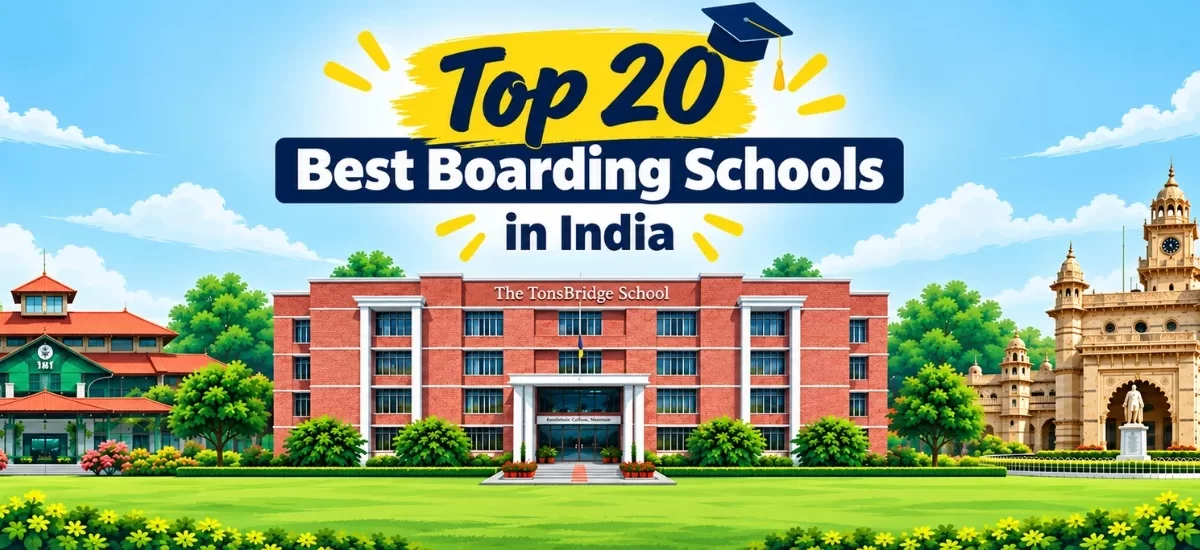
India has a long history of residential education, with boarding schools in India ranging from traditional house-based institutions to newer campuses offering international curricula. They also differ in size, location, academic approach, residential arrangements and the age groups they serve.
That variety can make it difficult for parents to compare schools on the same terms. A school known for its sporting tradition may appeal to a different student than one built around the IB Diploma, while a CBSE boarding school with a strong entrance-exam focus may suit a very different academic plan.
This list brings together 20 top boarding schools in India that parents may consider for the 2026–2027 academic year. It includes established boys’ and girls’ schools, co-educational boarding institutions and international schools. Each has been included for particular characteristics that may matter when building a shortlist, rather than because one school can be considered the Best Boarding school in India for every student.
- Introduction
- What Should Parents Look for in a Boarding School?
- Types of Boarding Schools in India
- Top 20 Best Boarding Schools in India for 2026–2027
- The Doon School, Dehradun
- Mayo College, Ajmer
- Bishop Cotton School, Shimla
- The Scindia School, Gwalior
- Welham Girls’ School, Dehradun
- Mayo College Girls’ School, Ajmer
- Heritage Girls School, Udaipur
- The Lawrence School, Sanawar
- Kodaikanal International School, Tamil Nadu
- Rishi Valley School, Andhra Pradesh
- The Assam Valley School, Balipara
- Sherwood College, Nainital
- The Lawrence School, Lovedale
- Woodstock School, Mussoorie
- Mahindra United World College of India, Pune
- Good Shepherd International School, Ooty
- Stonehill International School, Bengaluru
- Sarala Birla Academy, Bengaluru
- Indus International School, Bengaluru
- What Parents Often Miss During a Boarding School Visit
- Common Mistakes to Avoid
- How to Choose the Best Boarding School for Your Child
- Frequently Asked Questions
The Physics of the Learning Environment


When evaluating an institution, the focus often lands on the library or digital tools, yet the biological state of the student remains the most critical variable. High-level academic performance is statistically improbable when a student remains in a state of sensory overload. This is why the geography of CBSE Boarding Schools in India, particularly those in the Doon Valley, provides a distinct functional advantage over urban campuses.
The urban setting puts a subtle “cognitive tax” on the teenage brain through the incessant barrage of sounds and polluted air, leading to divided attention and elevated levels of anxiety. The institution of The TonsBridge School provides an organic sound barrier, enabling the brain to shift from a highly charged laboratory of physics to a contemplative space devoid of the hustle and bustle of the city environment. Fresh air and sunlight are not mere luxuries but vital components that aid in the process of consolidating information and focusing attention.
What Should Parents Look for in a Boarding School?
A campus can look impressive during a scheduled tour. The more revealing details often emerge from the ordinary parts of residential life.
1. Residential Care and Supervision
Ask who is responsible for students after classes finish. Find out how houses or dormitories are supervised, which adults live on or near the residential campus, and how students can seek help when they are unwell or having difficulties.
The house system is particularly important in many traditional boarding schools in India. Parents should understand how housemasters, tutors, residential staff and teachers divide responsibility for students.
It is also worth asking what a normal weekday looks like. A tightly planned schedule can provide structure, but students still need time for rest, friendships, hobbies and quiet study.
2. Curriculum and Academic Preparation
The curriculum should match the student’s intended academic path.
CBSE and CISCE remain common choices for families following the Indian education system. International schools may offer IB or Cambridge pathways, which can suit students planning to apply to universities outside India.
Parents should check more than the name of the board. Ask about subject availability in Classes XI and XII, academic support, examination preparation, university counselling and what happens when a student begins to fall behind.
3. Safety, Healthcare and Safeguarding
Medical care, emergency plans, night supervision, and movements of the students need to be sorted out prior to any admission. The same should be done for bullying and peer disputes.
It is also important that the parents are informed about when and how the school will communicate about medical issues or safeguarding issues.
4. Sports, Activities and Independence
Boarding students have opportunities to develop interests outside the classroom because much of their daily life takes place on campus.
Look at the actual activities available to students rather than simply counting facilities. A school may have several Sports grounds, for example, but the important question is whether students receive regular access and coaching.
The same applies to music, theatre, debating, visual arts, outdoor education, community service and leadership programmes.
Types of Boarding Schools in India
Boarding schools differ considerably in their academic and residential models.
| School type | Common curricula | What parents may prioritise | Typical focus |
| Legacy all-boys boarding | CBSE, CISCE, IB | Established house systems and residential traditions | Leadership, sport, academics |
| All-girls boarding | CISCE, Cambridge, CBSE | Pastoral support and mentoring | Academics, arts, leadership |
| Co-educational boarding | CBSE, CISCE, IB | Mixed-gender residential life | Academics, sport, activities |
| International boarding | IB, Cambridge | Overseas university pathways | Inquiry-based learning, multicultural community |
| Modern residential schools | CBSE, CISCE, IB, Cambridge | Academic balance and student support | Mentoring, technology, sport |
The distinction is important because two residential institutions may actually offer completely different experiences.
Top 20 Best Boarding Schools in India for 2026–2027
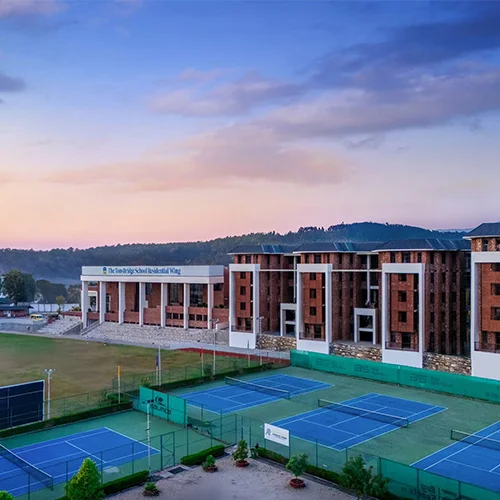
The TonsBridge School, Dehradun
The TonsBridge School provides a co-educational boarding option in Dehradun with a CBSE academic pathway. Its residential programme includes supervised academic preparation, sports and medical support. The school also states that it provides integrated preparation for JEE, NEET, NDA and CUET.
Its 18-acre campus includes a swimming pool, tennis and basketball courts, a horse-riding arena and a football ground. For families comparing newer residential campuses with established top boarding schools in India, the useful comparison points are teacher accessibility, boarding supervision, academic support and the amount of time students receive for sports and recreation.
The Doon School, Dehradun
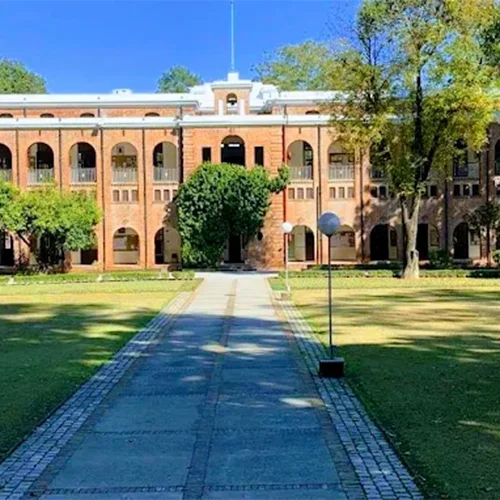
The Doon School is an all-boys residential school in Dehradun. Its current academic structure includes the CISCE pathway, IGCSE and the IB Diploma Programme, with students choosing between the ISC and IB Diploma after Class X.
Its long-established house system is an important part of residential life. Parents considering the school should look closely at how pastoral support, academic expectations and house activities fit together.
Mayo College, Ajmer
Founded in 1875, Mayo College is an all-boys residential school in Ajmer with a long-established house-based boarding tradition. Its academic programme follows the CBSE curriculum.
The school may appeal to families looking for a conventional environment where academics sit alongside sport, activities and a strong residential community
Bishop Cotton School, Shimla
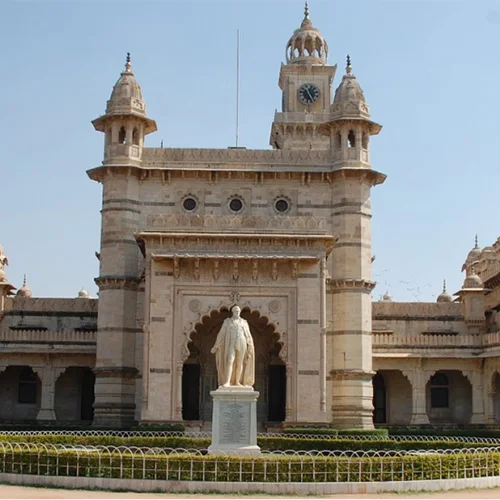
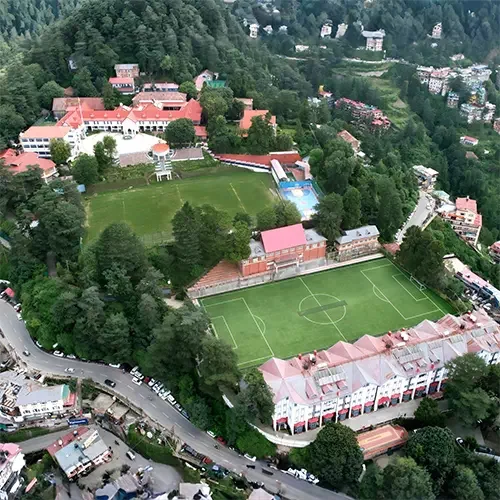
Bishop Cotton School is an all-boys boarding school in Shimla with a history stretching back more than 165 years. It follows the CISCE curriculum, with ICSE examinations at Class X and ISC at Class XII. The school also provides an optional Cambridge pathway for global readiness.
Its hill setting and established sporting and residential traditions make it worth considering for families seeking a school with a long-standing boarding culture.
The Scindia School, Gwalior
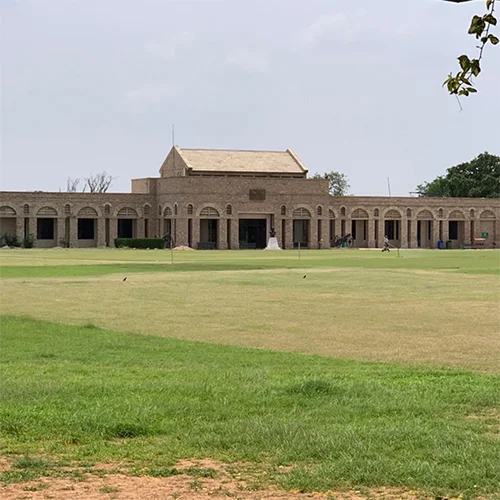
The Scindia School is an all-boys residential school situated inside the Gwalior Fort campus. It offers education as per the CBSE board.
Its environment adds to the unique appeal of the school, but its academic and extracurricular programs offer much more to the students. When comparing it to other boarding schools in India offering a CBSE syllabus, parents must consider its house system, activities, and academic support.
Welham Girls' School, Dehradun
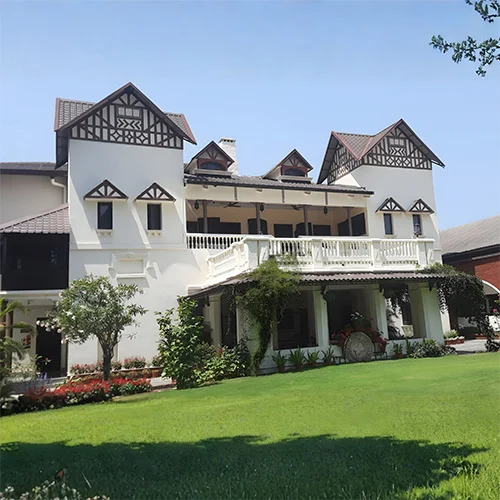
Welham Girls’ School is a residential school for girls in Dehradun. It is affiliated with CISCE and Cambridge Assessment International Education and serves students from Grades VI to XII.
Students study subjects across languages, sciences and humanities, with debating, music and performing arts forming part of life outside the classroom. The school combines its academic programme with a residential setting in Dehradun.
Mayo College Girls' School, Ajmer
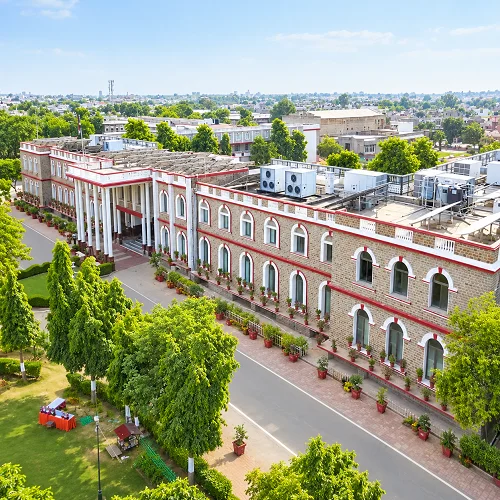
Mayo College Girls’ School is a fully residential girls’ school in Ajmer. It follows CISCE and also offers Cambridge programmes at the Lower Secondary and IGCSE levels.
Its five senior houses form an important part of the residential structure. Parents can use a campus visit to understand how house life, academic study and activities are balanced throughout the school week.
Heritage Girls School, Udaipur
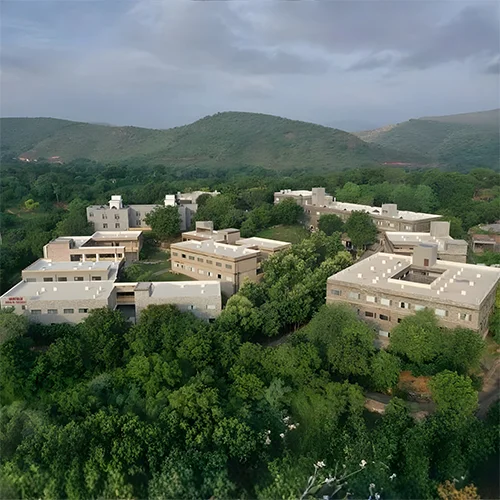
Heritage Girls School is a residential girls’ school near Udaipur. Its academic programme gives students access to Indian and international pathways, including Cambridge programmes, while its school model places considerable attention on individual learning and co-curricular development.
It can be worth considering for families looking for a girls’ boarding environment with a smaller-scale academic setting and an international curriculum option.
The Lawrence School, Sanawar
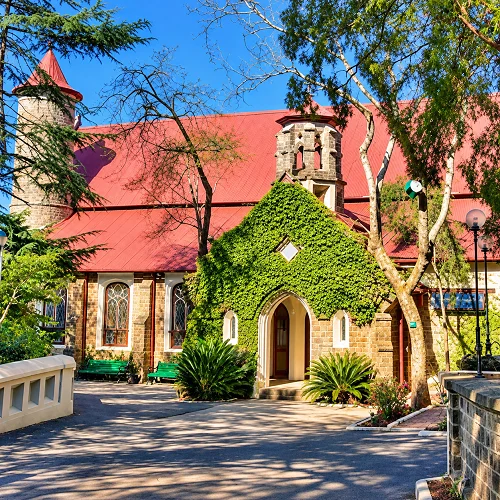
Set in the hills of Himachal Pradesh, The Lawrence School, Sanawar is a co-educational boarding school affiliated with CBSE. The school describes its environment as one that encourages questioning, creativity and skill development.
Its long residential tradition makes it a relevant option for families comparing established co-educational options among the top boarding schools in India. Parents should look at the balance between academics, outdoor activities, sports and residential responsibilities.
Kodaikanal International School, Tamil Nadu
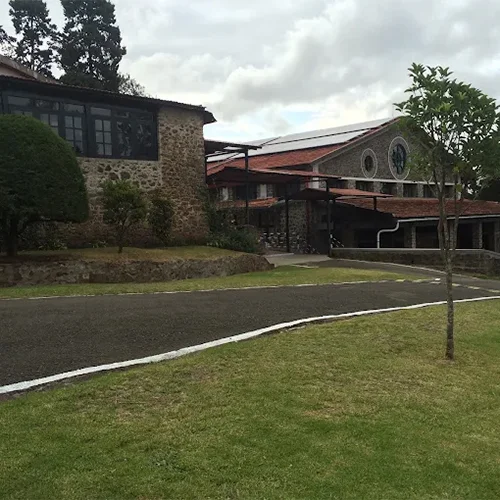
Kodaikanal International School is a co-educational international residential school in the Palani Hills. It is an IB Continuum School, offering the Primary Years Programme, Middle Years Programme, Diploma Programme and Career-related Programme. Residential life begins from Grade 5.
KIS has a particularly strong residential identity. Its approach treats the residential community as part of the educational experience, with residential adults working closely with students and parents.
Rishi Valley School, Andhra Pradesh
Rishi Valley School is located in rural Andhra Pradesh and is associated with the educational philosophy of Jiddu Krishnamurti.
The school is suited to families who are interested in an education that gives considerable space to independent thinking, nature, creative work and community life. Parents who prefer a highly examination-driven environment should compare its educational approach carefully with more conventional campuses.
The Assam Valley School, Balipara
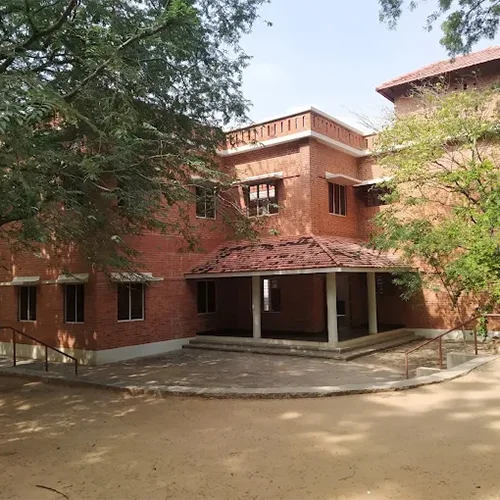
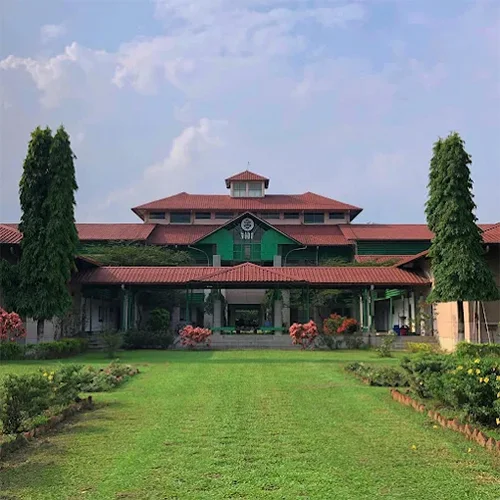
The Assam Valley School is a co-educational boarding school in Balipara, Assam. Established in 1995, it follows the CISCE curriculum, with Classes IX and X following ICSE and Classes XI and XII following ISC.
The school combines academic study with sport, creative activities and residential life. Its location also makes it a relevant option for families in Eastern and Northeastern India who want a full boarding experience without relocating to one of the traditional school hubs in North India.
Sherwood College, Nainital
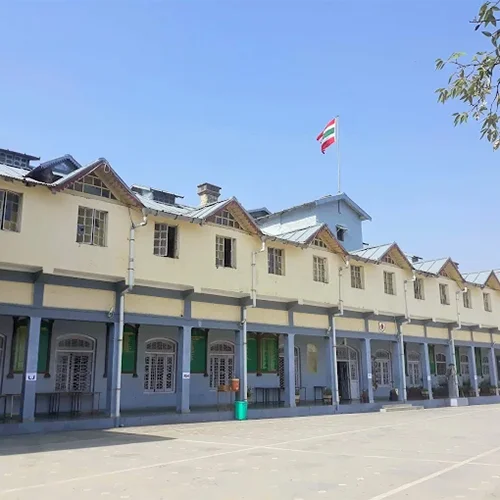
Sherwood College is a co-educational residential school in Nainital, Uttarakhand. Its location in the Kumaon hills is an important part of its identity, while its academic and co-curricular programme gives students opportunities in areas such as sport and performing arts.
Parents considering Sherwood should spend time understanding the residential routine, house structure and academic pathway rather than relying solely on the school’s long history.
The Lawrence School, Lovedale
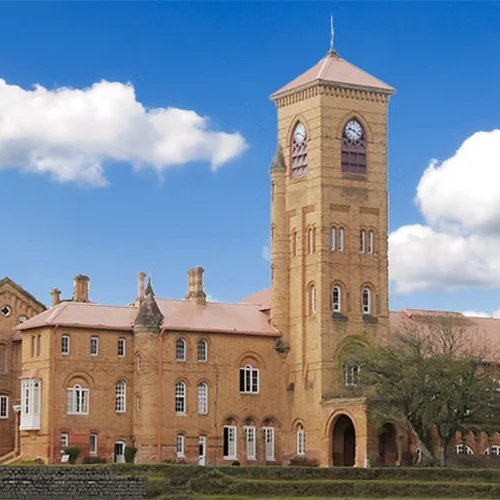
The Lawrence School, Lovedale is a fully residential, co-educational school near Ooty in Tamil Nadu. Its official disclosure identifies it as a CBSE-affiliated school following the NCERT curriculum. The school was established in 1858.
The campus offers students a residential setting in the Nilgiri Hills. Families comparing it with other CBSE boarding schools in India should ask about subject choices, academic support, boarding supervision and the activities available to students.
Woodstock School, Mussoorie
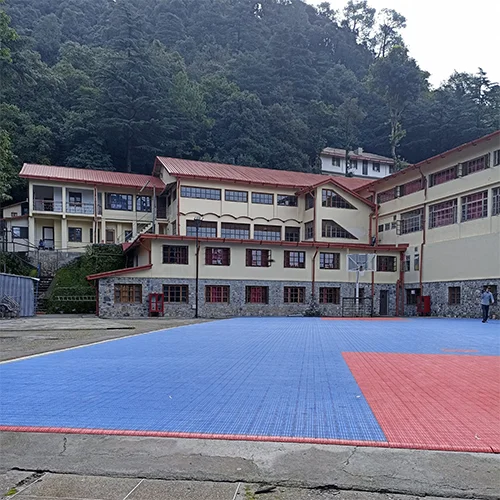
Woodstock School is a co-educational residential international school in Mussoorie. It offers the IB Middle Years Programme and IB Diploma Programme alongside its Woodstock Diploma options and broader US curriculum.
The school’s international orientation makes it particularly relevant for families considering overseas university pathways. The IB also lists Woodstock as a co-educational boarding school.
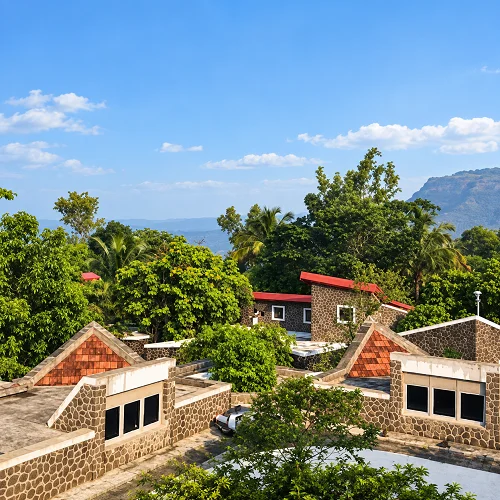
Mahindra United World College of India, Pune
Mahindra United World College of India, commonly known as MUWCI, is a pre-university residential institution in Maharashtra and part of the United World Colleges movement.
The 175-acre campus is located near Pune, and the college offers the IB Diploma Programme to students from different countries and backgrounds.
Its model is particularly suited to students looking for an internationally diverse residential community and an education centred on social responsibility, intercultural understanding and independent thinking.
Good Shepherd International School, Ooty
Good Shepherd International School is a residential school in Ooty that offers Indian and international academic pathways. Families considering the school should compare the available curriculum options for the student’s intended grade and future university plans.
The Nilgiri location and residential model also make the school relevant for parents looking for a full-campus experience in South India.

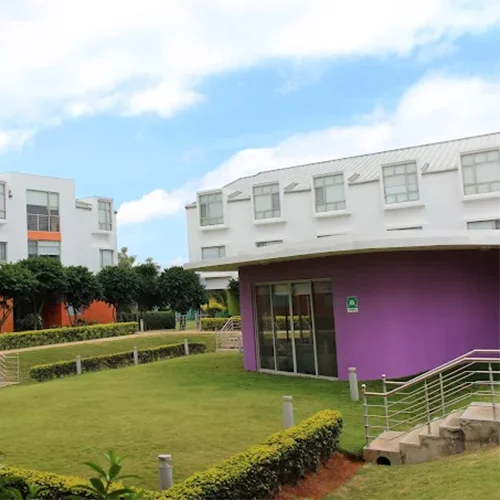
Stonehill International School, Bengaluru
Stonehill International School is a co-educational day and boarding school in Bengaluru for students aged 3 to 18. It follows the IB curriculum across the Primary Years, Middle Years, Diploma and Career-related Programmes.
The school occupies a 34-acre campus and has students from different countries. Its boarding provision makes it an option for families looking for an international curriculum with residential facilities in Bengaluru.
Sarala Birla Academy, Bengaluru
Sarala Birla Academy is a residential school for boys located in Bengaluru. It offers four academic pathways: ICSE/ISC, Cambridge IGCSE and the IB Diploma Programme.
The availability of multiple pathways can be useful for families whose academic plans may change between the middle and senior years. Parents should compare the workload, assessment style and university implications of each option before selecting a pathway.

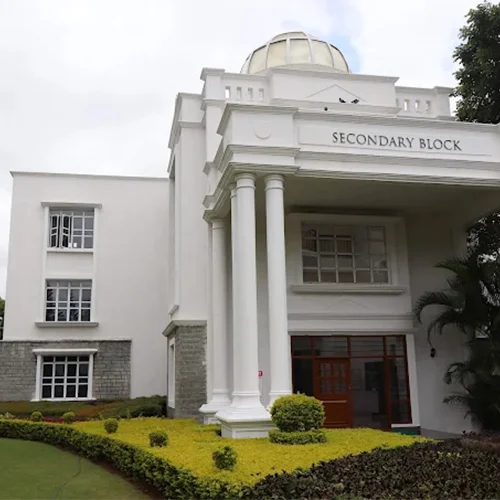
Indus International School, Bengaluru
Indus International School, Bengaluru is a co-educational day and boarding school offering the IB curriculum. The IB lists the school as an authorised IB World School with mixed boarding facilities.
The school offers the IB continuum and positions leadership, innovation and independent learning as important parts of its educational approach. Its boarding model may suit families looking for an international curriculum while remaining in the Bengaluru region.
What Parents Often Miss During a Boarding School Visit
Parents naturally spend a lot of time looking at classrooms, laboratories, sports facilities and dormitories. Those things matter, but a boarding school is experienced through its daily routines.
Before making a decision, ask to see or discuss:
- Residential supervision: Who looks after students during evenings, weekends and study periods?
- Dining arrangements: How are meals planned, and how does the school handle dietary requirements?
- Medical care: Is medical support available on campus, and what happens during emergencies?
- Parent communication: How frequently can students contact their families?
- Academic difficulties: What happens when a student begins struggling in a subject?
- Personal difficulties: Who does a student approach when they are homesick, anxious or having problems with peers?
- Weekend routine: Do students remain occupied with compulsory activities, or do they have meaningful free time?
- Leave and permissions: How does the school manage outings, holidays and visits from parents?
These questions can reveal much more about residential life than a brochure can.
Common Mistakes to Avoid
Choosing a School Because of Its Reputation Alone
A famous school may be an excellent institution and still be a poor fit for a particular child. Consider the student’s academic preferences, social comfort, interests and ability to manage residential life.
Comparing Curricula by Name Only
CBSE, CISCE, IB and Cambridge each have different structures and assessment approaches. The more useful comparison is how the curriculum works in the grades your child will actually study.
Ignoring Phone and Device Policies
Technology rules vary considerably between boarding schools in India. Find out whether phones are permitted, when students can use them, where devices are stored and whether laptops or tablets are allowed for academic work.
Looking Only at Facilities
A large swimming pool or impressive laboratory tells you little about how often students actually use it. Ask about timetables, access, coaching and participation.
Forgetting to Ask About Support
Every student can face academic, social or personal difficulties. Parents should know exactly which adults handle these situations and how families are kept informed.
How to Choose the Best Boarding School for Your Child
Start with the child rather than searching strictly for what claims to be the best boarding school in India.
A student who wants a traditional house-based environment may feel at home in one of India’s long-established boarding institutions. Another may prefer an IB school with an international student community. A family focused on Indian entrance examinations may place greater weight on curriculum alignment and competitive-exam support.
Use the criteria above to shortlist options. Compare the factors that influence daily life: residential supervision, study load, healthcare, communication policies, athletics, activities, IT and weekends.
Visiting the campus personally is non-negotiable. Talk to both the residential staff and the admissions officers. Find out from existing parents about communication and student support at school. Above all, ask your child what they think of the surroundings.
The schools on this list differ in curriculum, residential structure, location and student life. Use those differences to narrow down the options, then compare the top boarding schools in India that fit your child’s academic plans and preferred environment. A campus visit can help you understand what the school is like beyond its website and admission material.
Frequently Asked Questions
What are the top 10 boarding schools in India?
There is no official top-10 ranking for boarding schools in India. The TonsBridge School, The Doon School, Mayo College, Bishop Cotton School, Welham Girls’ School, The Lawrence School, Kodaikanal International School, Woodstock School and The Assam Valley School are among the schools families may consider. The choice depends on curriculum, location and student needs.
Which is better, CBSE or ICSE?
Neither CBSE nor ICSE is universally better. CBSE may suit students following the Indian curriculum and preparing for competitive entrance examinations. ICSE, followed by ISC at Class XII, offers a broader subject structure and places considerable emphasis on written assessment. The choice depends on the student’s subjects, strengths and future academic plans.
Are phones allowed in boarding schools in India?
Phone policies differ between boarding schools. Some restrict smartphones or allow them only during specified hours, while others have different rules by age group. Policies may also cover laptops, tablets, gaming devices and internet access. Checking the school’s current device rules before admission can prevent confusion later.
How many boarding schools are there in India?
There is no single official figure covering all boarding schools in India. Counts vary depending on whether databases include dedicated residential schools or day schools with boarding facilities. One 2026 commercial database lists 3,251 boarding-school business listings, although this should not be treated as an official count of recognised schools.